The Bird Feeder Is Not the Whole Garden
A bird feeder is only one part of a wildlife-friendly garden. Learn how to add safe water, useful shelter and varied planting around the feeding spot.
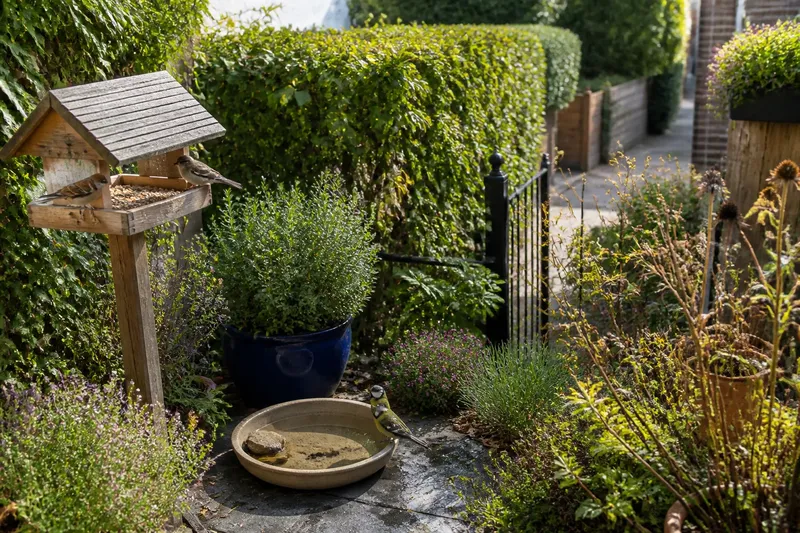
The common mistake with a bird feeder is treating it as a complete wildlife garden; the cost is a busy feeding spot with little else a bird can use. A bird feeder can offer food, but it does not replace cover, clean water or the insects and seeds that varied planting may provide. The space around the feeder matters too.
Food and surroundings
A feeder concentrates food in one place. That can make birds easier to notice, but a brief visit says little about the rest of their needs. A sparrow taking seed still needs somewhere to shelter, and after feeding it may move on to look for insects, berries or nesting material.
Notice where birds pause before approaching. Do they wait in a hedge, drop in from a tree or arrive from an exposed fence? Their route can show which nearby features offer cover. If the feeder stands alone on a bare patio, food may be convenient while the approach remains exposed.
Keep the feeder clean and choose food suited to the birds likely to visit. Check the ground beneath it as well as the tray: spilled seed and husks can collect there. Follow the maker’s cleaning guidance rather than improvising with household chemicals.
Shelter at the edges
Wildlife shelter need not mean a secluded woodland corner. A climber on a wall, a dense shrub, a patch of longer grass or a leafy pot can create places to hide and rest. Different forms of cover suit different visitors, so a mix of heights and textures may serve better than a single clipped surface.
Look along the sheltered edges of an ordinary street garden: behind a bin store, beneath a balcony planter or where stems meet a fence. These small pockets can break up an otherwise open route. Leave healthy stems standing through colder months where they are safe to retain; they may offer cover and hold seeds.
Trim with a purpose rather than on a timetable. A dense thicket can block a narrow path or obscure a gate, so keep access and necessary sightlines clear. The rest of the space need not be pared back to one uniform shape.
Safe water
Birds use water for drinking and bathing. A stable, shallow dish with a rough or sloping edge can help small visitors get out; a few clean stones or a low branch can provide a landing point. Set it somewhere you can reach easily for cleaning, away from busy foot traffic and potential knocks.
Replace the water when it becomes dirty, and remove leaves, droppings and other debris. Wash the dish with a brush and plain water, then rinse it well before refilling. Keep it shallow rather than adding depth to compensate for evaporation. If the dish cracks, tips easily or develops a surface that is difficult to clean, remove it until it can be made safe.
In freezing weather, check whether the water and dish are still usable. Ice can make water unavailable and a frozen or slippery rim can prevent safe access. Empty and bring the dish in if it is frozen, cracked or too slippery to use; put it back only when it can be checked and maintained again. Do not add salt or chemicals to keep water liquid.
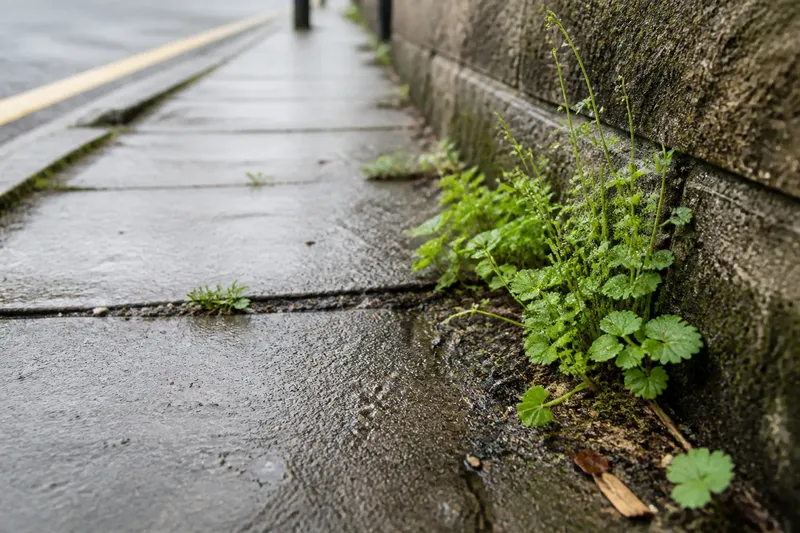
After rain, notice where puddles linger and where the ground dries first. That can help you choose a sensible place for a dish. A position near cover may feel less exposed to cautious birds, provided the dish remains accessible for cleaning and does not sit where falling leaves or debris quickly foul it.
Planting for seasons
Varied planting gives a garden more than one seasonal offer. Flowers can attract insects; seed heads may remain useful after flowering; berries can provide food later in the year. Native plants suited to local conditions are a sensible starting point, while robust herbs, climbers and shrubs can add structure and flowers in a small urban space.
Think in layers rather than a single shopping list. A low patch of ground cover, a pot of flowering herbs and a taller shrub can create different places to forage or shelter. On a balcony, a window box and a climber may offer more variety than one large container planted with a single species.
There is no need to remove every spent flower as soon as it fades. Leave useful seed heads where they are safe and healthy; cut back stems that are diseased or obstruct a path. The decision is not simply “tidy” or “wild”, but whether a particular stem still serves a purpose or has become a nuisance.
Reading the quiet gaps
What does not happen can be revealing. Birds may visit a feeder but never linger nearby. A dish may remain untouched while birds drink from a gutter after rain. Insects may visit flowers even though the nearest cover is across the road. These details can suggest how well the space’s food, shelter and water connect.
Say you have a feeder beside a bare paved yard, and birds wait on a neighbour’s hedge before flying in. Imagine you choose a stable shrub pot that fits beside the yard’s edge, set a shallow dish on level ground within reach of cleaning, and leave a few healthy flower stems standing. You then check the dish and watch from indoors during ordinary visits. If birds use the new cover or water, those features are serving a purpose; if they do not, you can reconsider the placement without assuming the yard needs more equipment. The result to look for is use of the added feature, not a suddenly crowded garden.
Keep notes in plain language: “sparrow waits on fence”, “dish dirty after wind” or “bees on thyme”. A short record across changing weather can help distinguish a recurring pattern from one quiet morning. A species list worthy of a committee is optional.
Choosing useful additions
- If birds approach from a hedge but cross exposed paving, add or retain cover along a safe edge; if there is no suitable planting space, leave the route clear rather than placing a pot in a walkway.
- If the dish is stable, shallow and easy to reach, keep it in use and clean it regularly; if it tips or has a slippery rim, replace it or remove it until it can be made safe.
- If water is dirty or full of leaves, empty, rinse and refill the dish; if it repeatedly fouls in that position, move it to a place you can inspect more easily.
- If ice covers the water or makes the rim slippery, empty and bring the dish in; if it is clear and safely usable, continue checking it and replace the water as needed.
- If spilled seed and husks collect beneath the feeder, clear them and review its position; if the ground remains difficult to keep clean, move or pause the feeder.
- If healthy seed-bearing stems do not obstruct access, leave some standing; if stems are diseased, block a path or conceal a gate, cut back only what creates the problem.
- If flowers attract insects but there is little nearby cover, consider a suitable climber or shrub; if the space cannot safely hold one, keep the planting that fits rather than crowding the route.
Questions about feeders?
Does a bird feeder attract more wildlife?
It can attract birds that use the food offered, but other visitors depend on nearby plants, shelter and water. A feeder alone does not show that every part of the space supports wildlife.
Should I stop feeding birds?
Not necessarily. If you can keep the feeder clean, offer suitable food and manage spilled seed, it can remain one useful feature among several.
What can I add to a small garden?
Start with what the space can safely hold: perhaps a stable water dish, a flowering pot or a plant that offers cover. Choose features you can maintain without obstructing access.
Are untidy gardens better for birds?
Not automatically. A few retained stems or a sheltered patch may help, while rubbish, blocked drains and unsafe overgrowth do not. Keep useful plant material and remove genuine hazards.
What can wait
It is not worth buying a collection of feeders, ornaments and specialist gadgets before noticing what the space already offers. A hedge, a rain-filled corner and a flower pot may matter more than another device. Begin with one missing resource and watch how birds use the area around it.
A bird feeder can be a useful place to begin noticing neighbourhood wildlife, but it is only one feature. Look beyond the tray at the routes, resting places and seasonal food nearby; a small garden’s value often lies in how those features fit together.